
Global political leaders think that September is extremely important for global diplomacy and generally say “September is a Super Bowl of Diplomacy.”
For the diplomats and political leaders around the globe September is considered as the busiest time.
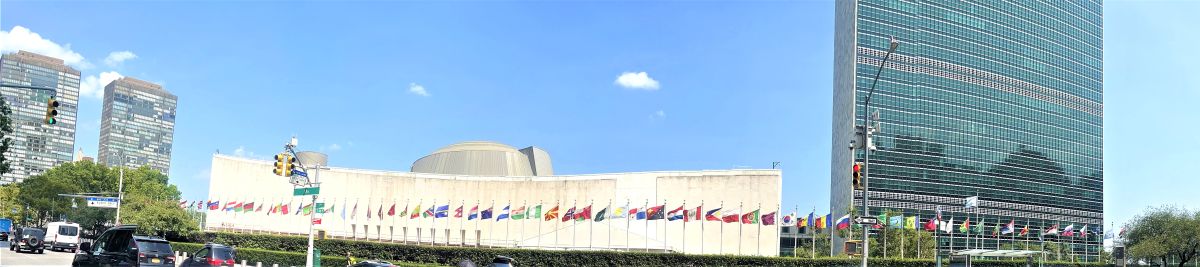
This is the month New York becomes the center of global diplomacy as presidents, prime ministers, ministers and diplomats from around the world as those all VVIPs gather in New York, the city is considered as never sleeps where the United Nations Headquarters is located, for the United Nations meet begins.
According to the UN specified calendar, every year, the United Nations General Assembly’s regular session kicks off on the Third Tuesday of September (this year 22 September) which begins on and will continue until December. If the sessions have more agendas yet to be adopted, then will continue its meeting in January until all issues are addressed.
This year, the 81st session of the United Nations General Assembly officially opened on September 8, 2026, with the high-level week starting on September 18, 2026. The UN General Assembly (UNGA) is the main policy-making organ of the Organization that has 193 Member States with equal voting rights.
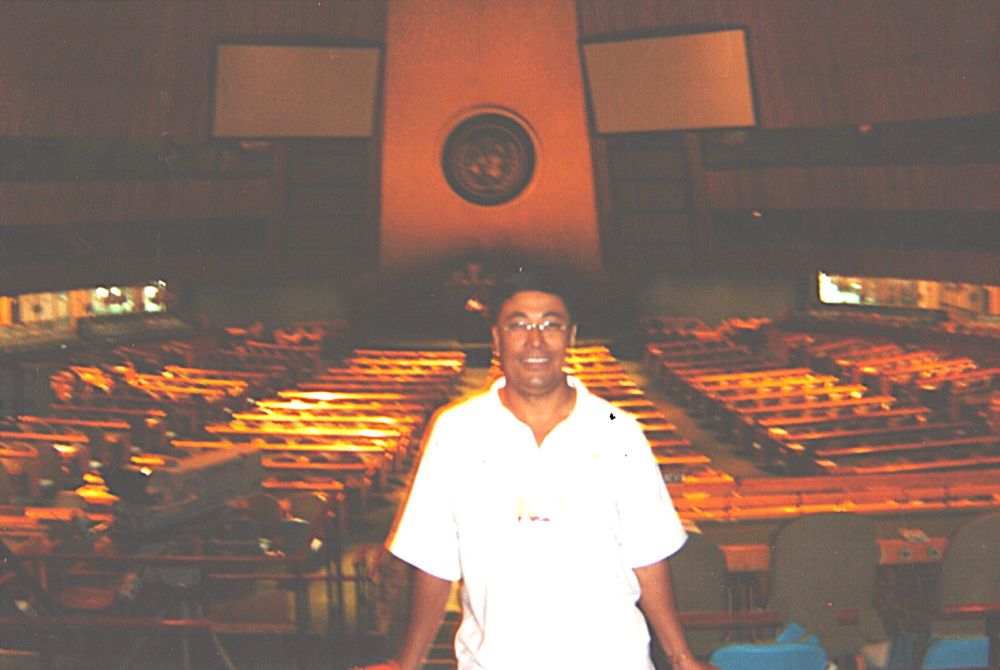
As every year, the sitting arrangements in the General Assembly Hall changes, this year during the 81st Session (2026-2027), Morocco will occupy the first seat in the Hall, including in the Main Committees (followed by all the other countries, in English alphabetical order).
The UN has estimated that nearly 130 Heads of State and Government will attend the High-level Week in person to deliver their message to the world begins from 22 to 28 September, the UN calendar specified. Besides, senior representatives of all 193 UN Member States will address the General Assembly from its iconic green marble podium.
Welcome by the UN Secretary-General, followed by the President of the General Assembly at the annual United Nations General Assembly General Debate, according to the UN tradition practice dating back to 1955, Brazil will speak first among the nations. Then the United States being the host nation, speaks second among member nations.
The speeches will likely reflect a global snapshot of national priorities and concerns of economic to development, humanitarian to environment, conflicts to emerging technologies.
As the world is mounting geopolitical tensions and overlapping global crises, global leaders will try to play diplomatic cards under this year’s UN theme “Restoring trust, managing transformation: A United Nations that delivers for all.”
It is believed that the world leaders will focus their national interests on bilateral, regional and global issues that might include ongoing conflicts, international security, climate change, sea-level rise, pandemic preparedness as well as fight against racism and progress towards the Sustainable Development Goals (SDGs).
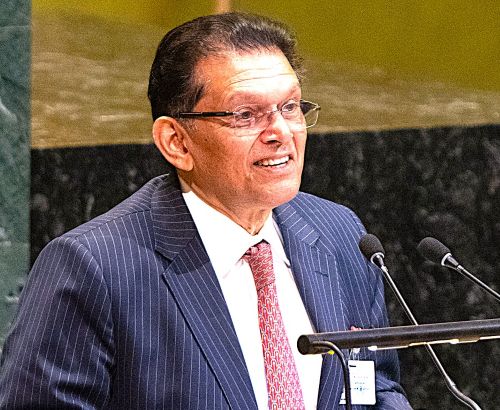
This year, the session will be presided over by newly elected General Assembly President His Excellency Khalilur Rahman of Bangladesh who is also the Foreign Minister of Bangladesh since February 2026 and well-known economist.
Yet much of the diplomacy takes place behind closed doors, where hundreds of bilateral and multilateral meetings offer leaders a rare opportunity to meet allies, partners and rivals in one place.
Ahead of the General Debate begins, as the time remaining less than five years, world leaders will also discuss SDG Moment on 18 September assessing progress with practical solutions.
In 2015, countries adopted 17 Sustainable Development Goals aimed at tackling challenges ranging from poverty and hunger to education, clean water and access to energy by 2030.
According to the UN calendar, on 23 September, UN Secretary-General António Guterres will convene world leaders for a High-Level Event on Climate Action and the Just Transition. The meeting will likely to strengthen international cooperation and mobilize support for countries most at risk.
September 23 is also the day of the 40th anniversary of the Declaration on the Right to Development adopted by the General Assembly in 1986 for the economic growth, emphasizing participation, opportunity and equity.
On 25 September, Heads of State and Government will revisit the lessons of COVID-19.
On 28 September, the UN will also commemorate the 25th anniversary of the Durban Declaration and Programme of Action, one of the principal international frameworks for combating racism, racial discrimination, xenophobia and related intolerance.
The series of major meetings concludes on 29 September with a high-level plenary meeting marking the International Day for the Total Elimination of Nuclear Weapons.
This year’s High-Level Week takes place at a moment when international cooperation is under strain. From armed conflicts and climate change to widening inequality, countries face a growing number of challenges that no nation can solve alone.
2026 is the final year for the current Secretary-General of the United Nations António Guterres as his second and final term comes to complete on December 31, 2026.
He is bidding farewell from the world’s highest diplomatic post after serving ten years. He held the highest diplomatic job of the UN Organization beginning January 1. 2017 for five years. And again, he was elected for the post and began the job on January 1, 2022.
The process of selecting his successor is already under way. The next Secretary-General will take office on 1 January 2027.
September 21 is also the International Day of Peace. It is observed with a 24-hour global ceasefire and period of non-violence.
Traditionally, this begins with the ringing of the Peace Bell at the UN Headquarters by the Secretary-General.
According to the UN schedule, this year the UNGA will appoint new Secretary-General on the recommendation of the Security Council.
Besides, the UNGA also approves UN budget for the next year under its regular works and discusses various other issues.
(From New York)