
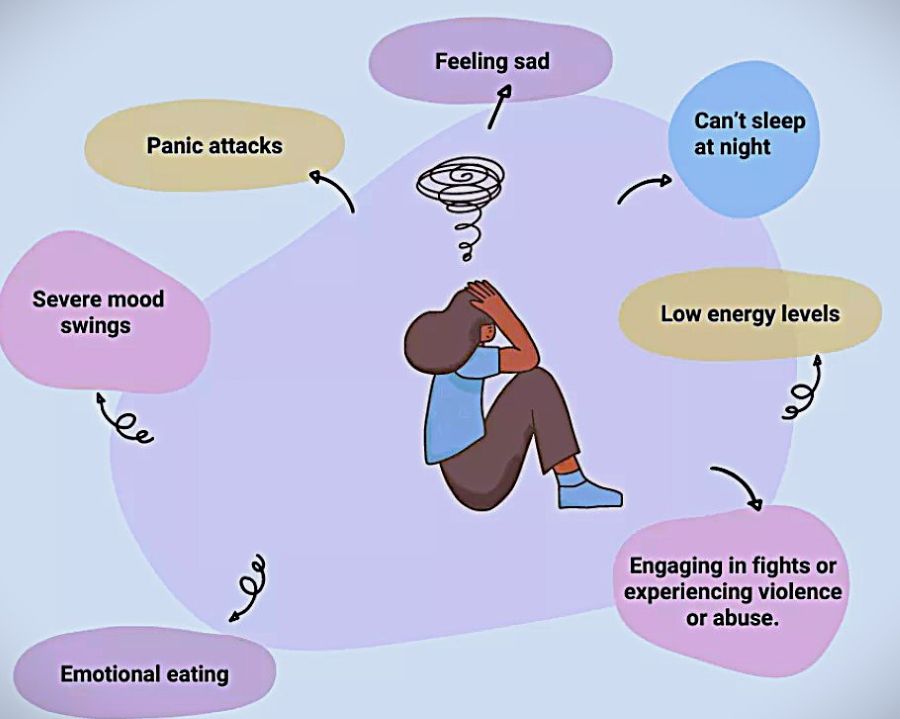
More than 1 billion people are living with mental health disorders, according to new data released by the World Health Organization (WHO), with conditions such as anxiety and depression inflicting immense human and economic tolls.
While many countries have bolstered their mental health policies and programmes, greater investment and action are needed globally to scale up services to protect and promote people’s mental health, said the WHO statement.
Mental health is an emotional, psychological, and social well-being of people that affects thinking, feeling, and action.
Mental health conditions such as anxiety and depression are highly prevalent in all countries and communities, affecting people of all ages and income levels. They represent the second biggest reason for long-term disability, contributing to loss of healthy life. They drive up health-care costs for affected people and families while inflicting substantial economic losses on a global scale.
In two reports entitled World mental health today and Mental Health Atlas 2024 – WHO highlight some areas of progress while exposing significant gaps in addressing mental health conditions worldwide, added WHO.
The reports serve as critical tools to inform national strategies and shape global dialogue ahead of the 2025 United Nations High-Level Meeting on noncommunicable diseases and promotion of mental health and well-being, taking place in New York on 25 September 2025.
The report shows that while prevalence of mental health disorders can vary by sex, women are disproportionately impacted overall. Anxiety and depressive disorders are the most common types of mental health disorders among both men and women.
Suicide remains a devastating outcome, claiming thousands of lives, it said.