
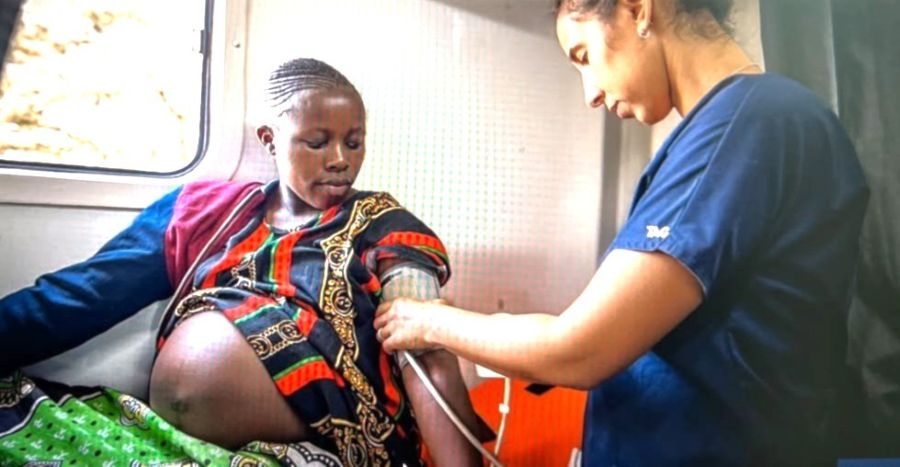
The World Health Organization (WHO) and partners today launched a new global roadmap to tackle hypertensive disorders of pregnancy, including pre-eclampsia, which affect millions of women every year.
These disorders remain among the leading causes of death and serious illness for pregnant women and their babies, with a tragic long-term impact on their families, said the WHO press note.
Hypertensive disorders complicate an estimated 10–15% of pregnancies worldwide. They account for around 16% of maternal deaths globally, resulting in an estimated 42 000 deaths each year, as well as more than 500 000 stillbirths and newborn deaths.
In many countries, women still lack reliable access to basic blood-pressure measurement, urine protein testing and essential medicines, including aspirin, antihypertensives and magnesium sulfate. Weak referral systems, shortages of trained health workers and limited emergency obstetric services can further delay life-saving care.
“Pre-eclampsia can develop in any pregnancy,” said Dr. Pascale Allotey, Director of WHO’s Department of Sexual, Reproductive, Maternal, Child, Adolescent Health and Ageing and added, “This roadmap brings together research, medicines, clinical guidance, health systems and political action so that a woman’s chances of surviving pregnancy and having a baby do not depend on where she lives.”
The roadmap highlights a striking innovation gap between the scale of the problem and the lack of medicines specifically developed and approved by regulators for the prevention or treatment of pre-eclampsia or eclampsia. Research investment has largely focused on diagnostics, with chronic underinvestment in new preventive and treatment options.
To change this, WHO brought together more than 140 partners at a global summit in May 2026 to identify and answer 20 priority research questions to guide future investment that will help predict, detect and treat hypertensive disorders in pregnancy, it said.
In low- and middle-income countries, gaps in antenatal care, medicines, diagnostics, trained health workers and emergency services mean women are more likely to develop severe complications or die. Women affected by poverty, humanitarian crises, geographic isolation and other challenges face particularly high risks.
Pre-eclampsia can also have consequences for mothers long after childbirth. Women affected by hypertensive disorders of pregnancy face increased risks later in life of chronic hypertension, cardiovascular disease, stroke and kidney disease, while children exposed during pregnancy can face increased risks associated with preterm birth and longer-term cardiovascular and metabolic disease.
WHO asks governments, funders, researchers, health professionals, industry, civil society and development partners to align investment and action around one goal: ensuring that proven interventions and future innovations reach the women and babies who need them most, the note reads.
Meanwhile, WHO is calling for an urgent increase in resources to meet growing humanitarian health needs in Darfur, alongside safe, sustained and unhindered humanitarian access to enable health partners to scale up the response.
Health and humanitarian needs across Darfur far exceed the resources currently available to respond, particularly in Tawila, where more than 700 000 displaced people are facing severe gaps in health, nutrition, food, water, sanitation and protection services.
The situation in Tawila reflects wider pressures across Darfur, where ongoing insecurity, large-scale displacement, limited access to essential services and recurrent disease outbreaks place millions of people at risk.
According to the International Organization for Migration (IOM), Darfur hosts 65% of Sudan’s 8.6 million internally displaced people.
Rising malnutrition was a major concern at the health facilities where the situation is expected to deteriorate further as poor rainfall, crop failures and the projected impact of a strong El Niño event deepens food insecurity and vulnerability.
Access to mental health and psychosocial support services is severely limited, and shortages of mental health medicines leave many people without the care they
Critical medicines and supplies for HIV, TB, neglected tropical diseases and other lifesaving interventions are running dangerously low. Urgent action and additional resources are needed to prevent further deterioration and ensure vulnerable populations can access essential health services.
WHO calls on donors, partners and all stakeholders to sustain and increase their support to ensure that vulnerable communities across Sudan can access the health services and assistance they urgently need.