
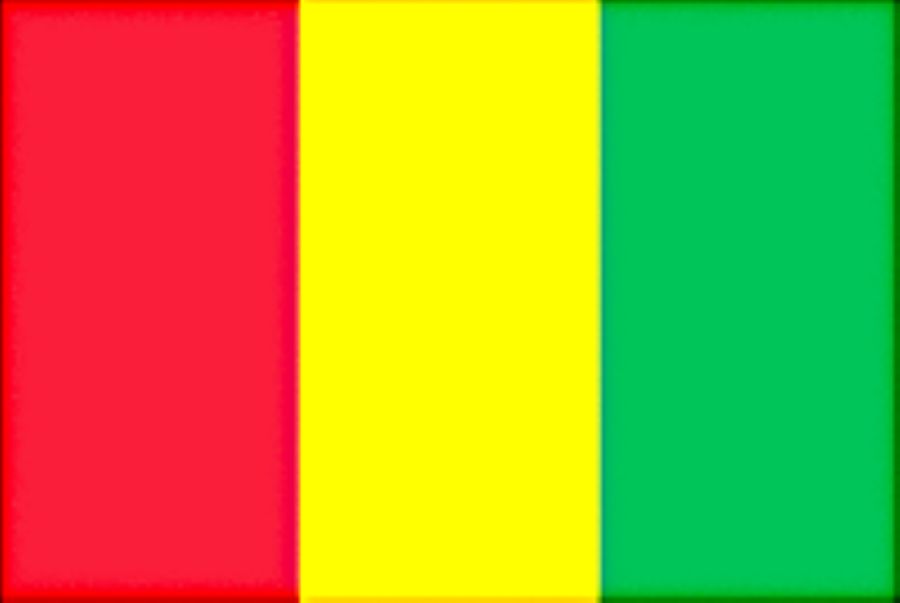
Guinea celebrates its National Day—known as Independence Day—annually on October 2.
Guinea won its freedom from France, after being part of a French colonial country in West Africa. In a September 1958 referendum, Guineans voted overwhelmingly to reject a proposed French Community and choose complete independence.
On October 2, 1958, Guinea officially declared independence from France, becoming the first French African colony in sub-Saharan Africa to reject joining the French Community and vote for full sovereignty.
Before gaining its independence in 1958, the modern country of Guinea was known as French Guinea since 1891.
With capital city Conakry, Guinea is a country in West Africa, where approximately 13.5 million people live, is bordered by Guinea-Bissau to the northwest, Senegal to the north, Mali to the northeast, Côte d’Ivoire to the southeast, and Liberia and Sierra Leone to the south. The Atlantic Ocean lies to the west.
Guinea is a resource-rich country, but its population experiences widespread poverty.
On behalf of the United States of America, I congratulate the people of Guinea on the 68th anniversary of your independence.
Nepal established formal diplomatic relations with the Republic of Guinea on May 12, 2016.
We extend our best wishes to all Guineans on the auspicious occasion of the 68th anniversary Independence Day.
Let’s hope Nepal-Guinea relationships will be strengthened in the days ahead.