
The World Health Organization (WHO) has warned that unsafe healthcare remains a major public health threat, with low- and middle-income countries recording an estimated 134 million adverse events in hospitals annually, contributing to about 2.6 million deaths, writes Tionge Hara in Africa Brief.
Highlighting the figures during Malawi’s commemoration of World Patient Safety Day at the Kamuzu Central Hospital Cancer Centre in Lilongwe WHO Country Representative Dr. Charles Njuguna said patient safety should be recognised as a fundamental human right rather than merely a technical issue.
Speaking under the 2026 global theme, “Safe Care for Noncommunicable Diseases,” and slogan, “Safe Care for Life!” Njuguna said “Globally, WHO estimates that one in every ten patients experiences harm during healthcare, and more than three million deaths occur annually due to unsafe care more than half of which is preventable.
“Patients living with noncommunicable diseases (NCDs), including hypertension, diabetes, cancer and cardiovascular conditions, face particular risks because they require lifelong treatment and repeated interactions with healthcare systems,” he said.
According to the figures presented at the event, NCDs accounted for 37% of all deaths in the WHO African Region in 2019, up from 24% in 2000. Beyond its human toll, unsafe healthcare places a significant financial burden on health systems. Globally, medication errors alone are estimated to cost US $42 billion annually.
Njuguna said preventable harm was particularly costly for countries such as Malawi, where constrained health budgets limit resources available for primary healthcare, essential medicines and health worker training. He also acknowledged Malawi’s policy efforts to improve the quality and safety of healthcare.
Health and Sanitation Minister Madalitso Baloyi, who attended the event as guest of honour, joined health officials, civil society representatives and development partners in reaffirming their commitment to improving patient safety.
The 2026 global priorities outlined at the commemoration included strengthening partnerships with patients, caregivers and civil society organisations; improving risk prevention and assessment; ensuring early detection, accurate diagnosis and integrated care; promoting the safe access to and handling of essential medicines and medical devices; and improving coordination and referrals between health facilities.
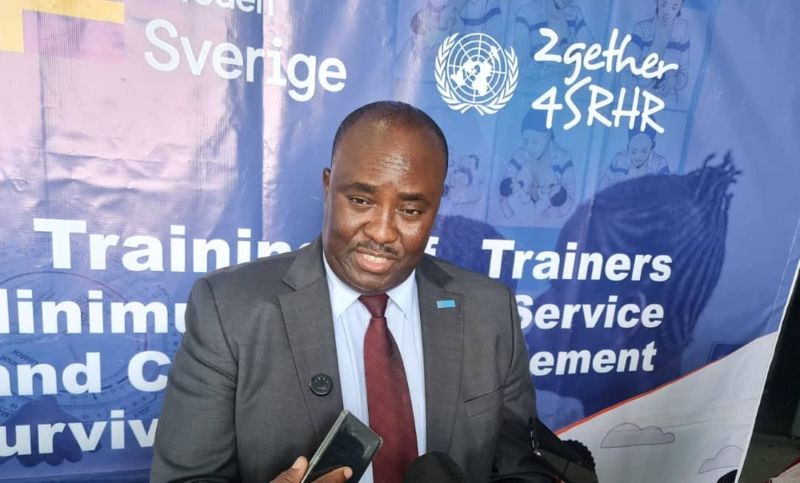
WHO Country Representative Dr. Charles Njuguna